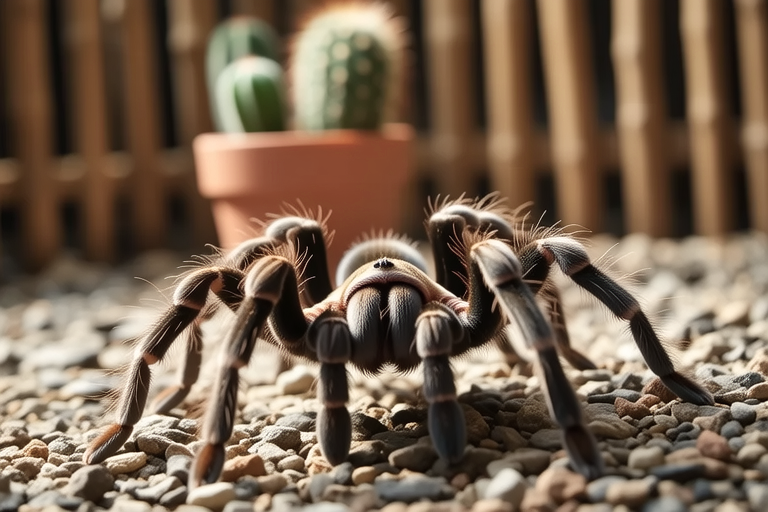
The Ultimate Guide to Handling Your Chilean Rose Tarantula Safely
Chilean Rose Tarantulas (Grammostola rosea) are one of the most popular pet tarantulas due to their manageable size, docile temperament, and striking appearance. However, handling these arachnids requires knowledge and care to ensure both the safety of the tarantula and the handler. This comprehensive guide will walk you through everything you need to know about safely handling your Chilean Rose Tarantula.
Understanding the Tarantula’s Behavior
Before handling your Chilean Rose Tarantula, it’s crucial to understand its natural behavior and habitat. These tarantulas are native to the deserts and scrublands of Chile, where they live solitary lives, spending most of their time hiding in burrows. In captivity, they prefer enclosed spaces with plenty of hiding spots. They are generally calm and docile, but like all animals, they can become stressed or defensive if mishandled.
Chilean Rose Tarantulas are not aggressive by nature, but they have several defense mechanisms that they may employ when feeling threatened. These include:
- Autotomy: Shedding limbs as a last resort.
- Barbed hairs: Throwing barbed hairs from their abdomen, which can irritate the skin and eyes of predators.
- Biting: While rare, they can bite if they feel extremely threatened.
Recognizing these behaviors and understanding how to handle your tarantula without triggering them is key to safe interaction.
Necessary Equipment for Safe Handling
To handle your Chilean Rose Tarantula safely, you’ll need the right equipment. Here’s what you’ll need:
- Gloves: Wear thick gloves to protect yourself from any potential bites or barbed hair attacks.
- Cotton balls: Use cotton balls to gently coax the tarantula out of its enclosure.
- Padded container: A small, padded container or plastic tub for temporary housing during handling.
- Soft brush: A soft-bristled brush for grooming or moving your tarantula gently.
- Hand sanitizer: To keep your hands clean and free of oils or chemicals that could harm your tarantula.
Ensure that all equipment is clean and free from any residues that could be harmful to your tarantula.
Step-by-Step Instructions for Correct Handling Techniques
Handling your Chilean Rose Tarantula requires patience and gentle movements. Follow these steps to ensure a safe and stress-free experience for both you and your tarantula:
- Prepare the Environment: Ensure the room is quiet and free from disturbances. Place your padded container nearby.
- Wash Your Hands: Clean your hands thoroughly with hand sanitizer to remove any oils or residues.
- Coax the Tarantula Out: Gently place a cotton ball at the entrance of the tarantula’s hide. The tarantula will usually move towards the cotton ball, allowing you to guide it into the padded container.
- Handle with Care: Once in the padded container, use the soft brush to gently move the tarantula. Avoid touching the tarantula directly unless wearing gloves.
- Return to Enclosure: After handling, return the tarantula to its enclosure carefully. Ensure it has access to food, water, and hiding spots.
Remember, handling should be done infrequently, as tarantulas are not social creatures and do not require regular human interaction.
Common Mistakes to Avoid
Even experienced handlers can make mistakes when dealing with Chilean Rose Tarantulas. Here are some common errors to avoid:
- Overhandling: Handling your tarantula too frequently can cause stress and disrupt its natural behavior.
- Rough Movements: Jerky or rough movements can startle the tarantula, causing it to retreat or attack defensively.
- Improper Equipment: Using equipment that is too small or not padded can hurt the tarantula or cause it to feel unsafe.
- Lack of Observation: Not paying attention to your tarantula’s body language can lead to mishandling and stress.
Avoiding these mistakes will help ensure your tarantula remains healthy and comfortable.
Signs of Stress or Discomfort in the Tarantula
It’s important to recognize signs of stress or discomfort in your Chilean Rose Tarantula. Common indicators include:
- Increased Activity: Unusual levels of activity or pacing within the enclosure.
- Retreat: Hiding more than usual or retreating to the deepest part of its enclosure.
- Barbed Hair Release: Throwing barbed hairs is a clear sign of distress.
- Unnatural Posture: Lying on its back or exhibiting unusual postures can indicate stress.
If you notice any of these signs, reduce handling and check your tarantula’s environment for potential issues such as temperature, humidity, or cleanliness.
Tips for Maintaining a Healthy Environment
Creating a suitable environment for your Chilean Rose Tarantula is essential for its well-being. Here are some tips:
- Temperature and Humidity: Maintain a temperature between 75-85°F (24-29°C) and humidity around 60-70%. Use a hygrometer to monitor humidity levels.
- Enclosure Size: Provide an enclosure that allows the tarantula to move freely but still feels secure. A general rule is 3-5 gallons per inch of tarantula length.
- Hiding Spots: Include multiple hiding spots made from cork bark, caves, or other natural materials.
- Diet: Feed your tarantula appropriately sized insects, such as crickets, every 1-2 weeks.
- Cleanliness: Regularly clean the enclosure to prevent the buildup of waste and ensure a healthy environment.
Maintaining a clean and comfortable environment will help your tarantula thrive and minimize stress.
Conclusion
Handling your Chilean Rose Tarantula safely requires knowledge, preparation, and respect for the tarantula’s natural behaviors. By understanding its needs, using appropriate equipment, and avoiding common mistakes, you can enjoy a rewarding relationship with your pet while ensuring its health and happiness. Remember, handling should be minimal and always done with care. With this guide, you’re well-equipped to provide a safe and comfortable environment for your Chilean Rose Tarantula.
