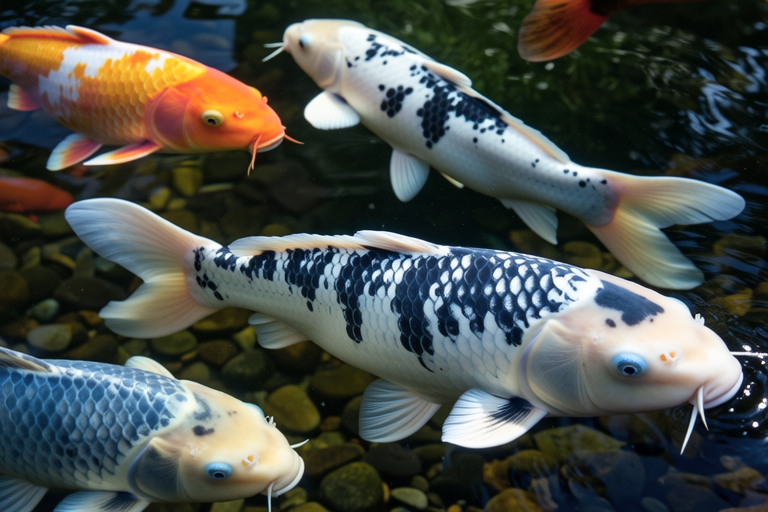
The Secret Lives of Koi: Uncovering Their Behaviors and Needs
Koi fish, known for their vibrant colors and graceful movements, have captivated the hearts of aquaculture enthusiasts for centuries. Originating from East Asia, particularly Japan, these fish have become symbols of beauty and tranquility. Popular belief often associates koi with good fortune and perseverance, as depicted in ancient Chinese legends. The Nishikigoi, or Japanese ornamental carp, is the most recognized variety, celebrated for its striking patterns and robustness.
Behavior Patterns of Koi Fish
Koi fish exhibit fascinating behaviors that make them unique among aquatic creatures. They are highly social animals, often forming tight-knit groups within their ponds. These fish communicate through body language and sounds, using these methods to establish dominance and hierarchy within their community. For instance, dominant koi may swim at the forefront, while less assertive ones stay closer to the edges.
Feeding habits of koi are equally intriguing. In the wild, they are omnivores, consuming algae, small crustaceans, and plant matter. In captivity, they eagerly await their caretakers’ arrival, recognizing the sound of footsteps or the sight of food. This interaction fosters a strong bond between koi and their keepers, making feeding time a delightful ritual for both parties.
Koi also respond to various stimuli in their environment. They can detect vibrations in the water, which helps them locate food and avoid predators. Their eyesight is well-developed, allowing them to distinguish between different colors and shapes. This sensitivity to their surroundings makes koi excellent indicators of water quality, as they tend to become lethargic or disoriented when conditions deteriorate.
Environmental Needs of Koi Fish
To ensure the health and longevity of koi fish, it’s essential to provide them with optimal living conditions. Water quality is paramount, requiring regular monitoring of pH levels, ammonia, nitrite, and nitrate concentrations. A balanced ecosystem supports beneficial bacteria that convert harmful waste products into less toxic substances, creating a stable environment for the fish.
Temperature plays a crucial role in koi health. These fish thrive in water temperatures ranging from 64°F to 82°F (18°C to 28°C). Below this range, their metabolism slows down, reducing their activity and appetite. Conversely, excessively high temperatures can lead to stress and disease outbreaks. Therefore, maintaining a consistent temperature is vital, especially during seasonal changes.
Space requirements are another critical aspect of koi care. Each fish needs ample room to swim and explore, ideally at least 100 gallons per adult koi. Overcrowding can lead to increased stress, competition for resources, and the spread of diseases. Providing adequate space ensures that koi can live comfortably and maintain their vibrant colors and health.
Maintaining a Healthy Koi Pond Ecosystem
Cultivating a thriving koi pond involves more than just providing the right environment; it requires active management to sustain a balanced ecosystem. Regular maintenance tasks include cleaning filters, skimming debris from the surface, and performing partial water changes to prevent nutrient buildup.
Introducing aquatic plants can enhance the pond’s aesthetics while offering numerous benefits. Plants help filter the water, absorb excess nutrients, and provide shelter for koi. Species like water lilies, lotus, and hornwort are popular choices due to their hardiness and ability to thrive in pond environments.
Incorporating natural filtration systems, such as biofilters and mechanical filters, further aids in maintaining water quality. Biofilters house beneficial bacteria that break down organic waste, while mechanical filters trap larger particles before they decompose. These systems work synergistically to create a self-sustaining environment that minimizes the need for chemical interventions.
The Emotional Bond Between Koi and Their Caretakers
The relationship between koi and their caretakers is deeply rewarding. Watching these majestic fish glide gracefully through the water can bring a sense of peace and joy. Many enthusiasts find solace in the routine of pond maintenance and the daily interactions with their koi.
Over time, koi fish learn to recognize their caretakers, responding with excitement at the sight or sound of familiar faces. This connection fosters a sense of responsibility and pride in those who care for them. The emotional bond formed with koi is not just about ownership but about nurturing and protecting these beautiful creatures.
For beginners and experienced enthusiasts alike, koi keeping offers a unique opportunity to engage with nature and experience the joys of animal companionship. By understanding and meeting the needs of koi, caretakers can ensure their fish live long, healthy lives, enriching both the pond and the hearts of those who watch over them.
