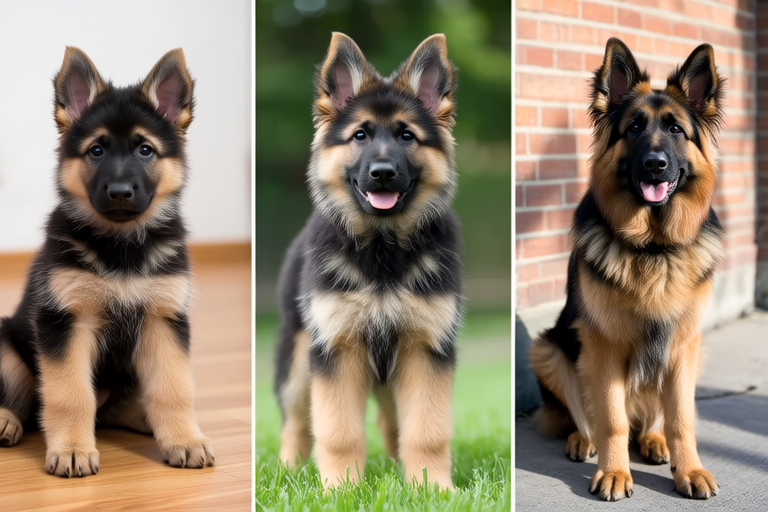
From Puppy to Adult: A Journey Through the Life of a German Shepherd
The German Shepherd is one of the most popular and versatile breeds around the world. Known for their intelligence, loyalty, and versatility, these dogs are often seen in roles ranging from police work to therapy. From the moment they enter your life as puppies, German Shepherds undergo significant changes physically, behaviorally, and emotionally as they grow into adulthood. This article will guide you through the different stages of a German Shepherd’s life, offering advice on how to care for them at each stage.
Puppyhood (0-6 Months)
Puppies are bundles of energy and curiosity, and this is especially true for German Shepherds. During the first six months of their lives, they experience rapid physical growth and development. At birth, German Shepherd puppies weigh about one pound, but by the time they reach six months, they can weigh anywhere between 40 to 70 pounds.
During this period, it’s crucial to establish a routine that includes proper nutrition, regular veterinary check-ups, and early socialization. Puppies have specific dietary needs that differ from those of adult dogs. They require more frequent feedings and higher calorie intake to support their growth. It’s essential to consult with your veterinarian to determine the best diet for your puppy.
German Shepherd puppies also need plenty of exercise and playtime to develop strong muscles and bones. However, over-exercising them can lead to joint problems. Short walks and play sessions in safe areas are recommended.
Behaviorally, German Shepherd puppies are very active and curious. They learn quickly and are eager to please, making them ideal candidates for training. Positive reinforcement techniques, such as treats and praise, are highly effective. Early socialization is crucial during this stage to ensure your puppy grows into a well-adjusted and confident adult dog.
Common health issues during puppyhood include hip dysplasia, which is a condition where the hip joint doesn’t fit properly into the socket. Regular vet visits and monitoring for signs of discomfort or limping are important.
Adolescence (6-18 Months)
Adolescence is a challenging yet exciting time for both German Shepherds and their owners. By this stage, puppies have reached approximately 80% of their adult size, but their bodies are still developing. Their energy levels remain high, and they may exhibit some behavioral changes.
Physically, German Shepherds continue to grow stronger and more coordinated. Their muscles become more defined, and they develop a more pronounced gait. This is also the time when their coat starts to thicken and change color. It’s essential to maintain a balanced diet rich in protein, fats, and vitamins to support their ongoing growth.
Behaviorally, German Shepherds may show signs of independence and test boundaries. They might become more assertive and less eager to please than during puppyhood. Consistent training and positive reinforcement are vital to maintaining good behavior. Adolescents benefit from structured routines and mental stimulation to channel their energy productively.
Exercise remains a priority during adolescence. Daily walks and play sessions help keep them physically fit and mentally stimulated. Swimming can be particularly beneficial for building muscle strength without putting too much strain on their joints.
Health-wise, adolescent German Shepherds are prone to ear infections due to their floppy ears. Regular cleaning and checking for signs of infection are necessary. Additionally, they may start showing signs of hip dysplasia if they’re predisposed to the condition.
Early Adulthood (18 Months – 3 Years)
By early adulthood, German Shepherds have reached their full size and physical maturity. Males typically stand about 24 inches tall at the shoulder and weigh around 90 pounds, while females are slightly smaller. Their coats have fully developed, and they have a regal appearance.
Behaviorally, German Shepherds are known for their loyalty and protective instincts. They are intelligent and trainable, making them excellent companions and working dogs. Early adulthood is a great time to deepen their training and introduce more complex commands and tasks.
Dietary needs for adult German Shepherds focus on maintaining muscle mass and joint health. High-quality dog food with balanced nutrients is essential. Regular vet check-ups help monitor their overall health and catch any potential issues early.
Exercise remains a critical part of their daily routine. German Shepherds are energetic and require regular physical activity to stay healthy. They enjoy activities like hiking, running, and playing fetch. Mental stimulation is equally important; puzzle toys and obedience training can help keep their minds sharp.
Health issues to watch out for during early adulthood include allergies, which can manifest as skin irritations or digestive problems. Regular grooming helps identify any unusual changes in their coat or skin. Dental hygiene is also crucial; brushing their teeth regularly and providing dental chews can prevent gum disease.
Middle Age (3-7 Years)
During middle age, German Shepherds are at their prime. They are physically fit, mentally alert, and ready for most tasks. Their loyalty and protective nature are fully developed, making them reliable companions.
While their physical abilities are at their peak, it’s important to maintain a consistent exercise routine. Middle-aged German Shepherds still need regular walks and playtime to keep them in shape. Mental stimulation continues to be vital, so engage them in activities that challenge their intellect.
Health-wise, middle-aged German Shepherds are generally healthy but can develop conditions like arthritis. Signs of arthritis include stiffness after rest, reluctance to jump, or difficulty climbing stairs. Weight management is crucial to reduce the risk of joint problems. Regular vet check-ups help monitor their overall health and detect any emerging issues.
Training during middle age can be rewarding. German Shepherds respond well to new challenges and enjoy learning new tricks or commands. This is also a good time to reinforce basic obedience and social skills.
Senior Years (7+ Years)
As German Shepherds enter their senior years, they begin to slow down. Their energy levels decrease, and they may start showing signs of aging. Despite this, they remain loyal and loving companions.
Physical changes include reduced mobility, thinner fur, and possible weight gain. Joint pain becomes more common, and they may need softer bedding for comfort. Regular vet check-ups are essential to manage any age-related health issues.
Dietary needs shift towards lower calorie and easily digestible foods. Supplements like glucosamine and chondroitin can help support joint health. Hydration is also crucial; ensure they have access to fresh water at all times.
Exercise should be adapted to their current abilities. Shorter walks at a slower pace are suitable. Mental stimulation remains important; simple games and puzzles can keep their minds engaged.
Behaviorally, senior German Shepherds may become more attached to their owners. They may seek more affection and attention. Patience and understanding are key. Senior dogs can also become more sensitive to changes in their environment, so gradual introductions to new stimuli are advisable.
Common health issues in senior German Shepherds include arthritis, cognitive dysfunction, and kidney disease. Regular vet check-ups and early intervention can improve their quality of life.
Tips for Owners
Raising a German Shepherd requires commitment and dedication. Here are some tips to help you along the way:
- Consistent Training: Use positive reinforcement techniques to encourage good behavior. Consistency is key in establishing rules and boundaries.
- Socialization: Expose your German Shepherd to various environments, people, and other animals from an early age. This helps build confidence and prevents fear-based aggression.
- Regular Exercise: Provide ample opportunities for physical activity. This keeps them fit and helps prevent behavioral issues caused by pent-up energy.
- Healthy Diet: Feed them a balanced diet tailored to their age and activity level. Consult your vet for personalized dietary recommendations.
- Vet Check-Ups: Schedule regular vet visits to monitor their health and address any concerns promptly.
- Grooming: Regular brushing helps maintain their coat and skin health. Check for any signs of irritation or injury during grooming sessions.
Raising a German Shepherd is a rewarding journey filled with love, loyalty, and companionship. By understanding their needs at each stage of life, you can provide them with the best care possible and enjoy many happy years together.
