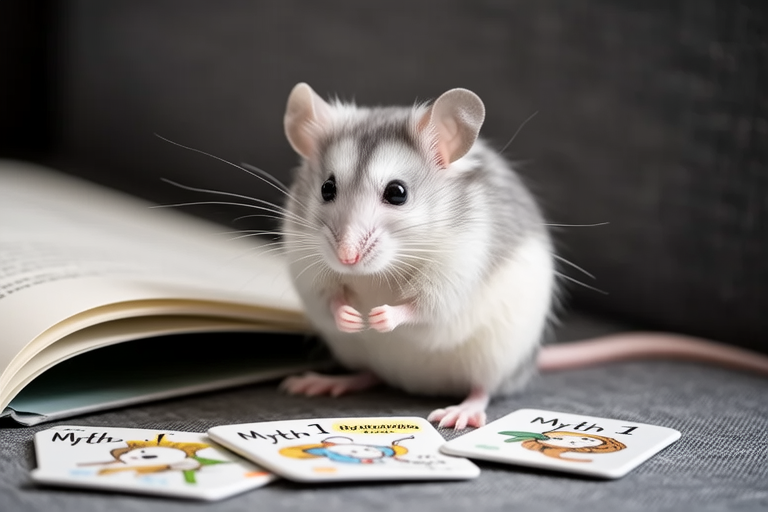
5 Myths About Chinchillas Debunked: What Every Pet Owner Should Know
Chinchillas are unique, small mammals native to the Andes Mountains in South America. Known for their incredibly soft fur and playful nature, these creatures have become popular pets among enthusiasts seeking something different from traditional household animals like cats or dogs. Despite their growing popularity, many misconceptions still surround chinchillas, leading potential owners to hesitate or misunderstand their care requirements. This article aims to debunk five common myths about chinchillas, offering scientifically-backed information to help you make informed decisions if you’re considering adding one of these adorable creatures to your family.
Myth 1: Chinchillas Don’t Need Much Exercise
One of the most prevalent myths about chinchillas is that they don’t require much exercise because they are small and inactive. However, this couldn’t be further from the truth. In the wild, chinchillas are highly active, leaping between rocks and burrowing into dens. Domesticated chinchillas need ample space to move around freely to maintain their physical and mental well-being.
Studies show that chinchillas who lack adequate exercise can develop behavioral issues such as lethargy, obesity, and even depression. Providing a large cage with multiple levels and tunnels encourages natural behaviors while promoting overall health. Additionally, supervised playtime outside the cage allows them to explore and stretch their legs.
Myth 2: Chinchillas Can Survive on a Diet of Seeds Alone
Another misconception is that chinchillas can thrive solely on a diet of seeds. While seeds provide some nutrients, they lack essential vitamins and minerals necessary for a balanced diet. Feeding your chinchilla exclusively on seeds can lead to malnutrition, dental problems, and other health issues.
The ideal diet for a chinchilla consists primarily of high-quality timothy hay, supplemented with pellets designed specifically for chinchillas. These pellets contain a balanced mix of nutrients, including proteins, fats, carbohydrates, vitamins, and minerals. Occasional treats like raisins or dried rose hips can be offered sparingly but should not replace the primary diet.
Myth 3: Chinchillas Require Frequent Baths in Dust
Many people believe that chinchillas need frequent dust baths to keep their fur clean. Although dust bathing is crucial for maintaining healthy fur, overdoing it can cause more harm than good. Excessive dusting can dry out the skin and irritate the respiratory system.
Adequate dust bathing frequency depends on individual needs, but generally, twice weekly for about 10-15 minutes per session is sufficient. The type of dust used is also important; chinchilla-specific dust made from fine volcanic ash is recommended, as it effectively cleans without causing irritation.
Myth 4: Chinchillas Are Noisy Pets
Some potential owners worry that chinchillas might be too noisy, disrupting the peace of their home. While chinchillas can make sounds like chirps, squeaks, and barks, these vocalizations are typically infrequent and not overly loud. Most of the time, chinchillas communicate through body language rather than vocalization.
Chinchillas may vocalize more when stressed, excited, or during mating season. Ensuring a calm environment and proper socialization can reduce unnecessary noise. If your chinchilla becomes excessively vocal, it could indicate discomfort or health issues, warranting a visit to the vet.
Myth 5: Chinchillas Are Easy to Handle
Finally, there’s a widespread belief that chinchillas are easy to handle due to their small size. However, handling chinchillas improperly can lead to stress, injury, or even death. Chinchillas have delicate bones and can easily break their spines if dropped or mishandled.
It’s essential to approach chinchillas gently and allow them to get used to being held gradually. Always support their hindquarters when picking them up to prevent strain. Avoid sudden movements or loud noises around them, as these can startle them and cause them to lash out or jump away.
Tips for Owning a Healthy and Happy Chinchilla
- Provide Adequate Space: Ensure your chinchilla has enough room to move around comfortably. A spacious cage with multiple levels and tunnels will encourage natural behavior.
- Offer a Balanced Diet: Feed your chinchilla high-quality timothy hay, supplemented with pellets designed specifically for chinchillas. Limit treats to occasional offerings.
- Maintain Proper Bathing Routines: Allow your chinchilla regular access to dust baths, but avoid over-dusting. Use chinchilla-specific dust for effective cleaning.
- Minimize Stress: Create a calm environment for your chinchilla by minimizing loud noises and sudden movements. Proper socialization can also help reduce stress.
- Handle Gently: Approach your chinchilla slowly and support its hindquarters when picking it up. Gradually increase handling time to build trust.
Owning a chinchilla can be a rewarding experience, but it requires commitment and understanding of their specific needs. By debunking these common myths and following the provided tips, you’ll be well-equipped to provide a loving home for your new furry friend. Remember, every pet deserves proper care, and with chinchillas, attention to detail is key to ensuring their health and happiness.
