Discover Why Coral Shrimp Are a Must-Have Addition to Any Saltwater Tank
Coral shrimp, also known as Stenopus hispidus, are fascinating creatures that can significantly enhance the health and beauty of any saltwater tank. These small crustaceans, native to the tropical waters of the Indo-Pacific region, play a crucial role in maintaining the delicate balance of their natural habitats. Their unique behaviors and striking appearance make them a popular choice among aquarists looking to add both functionality and aesthetics to their marine ecosystems.
Natural Habitat and Role in Ecosystem Balance
Coral shrimp inhabit coral reefs and rocky crevices in the warm, clear waters of the Indian and Pacific Oceans. They are typically found at depths ranging from 3 to 40 meters, where they thrive in the complex environments provided by coral formations. In their natural habitat, these shrimp contribute to the overall health of the reef by removing debris and harmful microorganisms, thus preventing the spread of diseases that could harm other marine life. Their symbiotic relationship with certain species of sea anemones and corals further underscores their importance in maintaining ecological equilibrium.
Benefits of Keeping Coral Shrimp in Saltwater Tanks
Cleaning Habits
One of the primary reasons coral shrimp are highly sought after is their diligent cleaning behavior. These shrimp are adept at scavenging for food particles and detritus, which helps keep the tank clean and free from harmful bacteria. By consuming algae, uneaten fish food, and dead tissue, coral shrimp act as natural janitors, reducing the need for frequent water changes and manual cleaning. This not only saves time but also promotes a healthier environment for all tank inhabitants.
Aesthetic Appeal
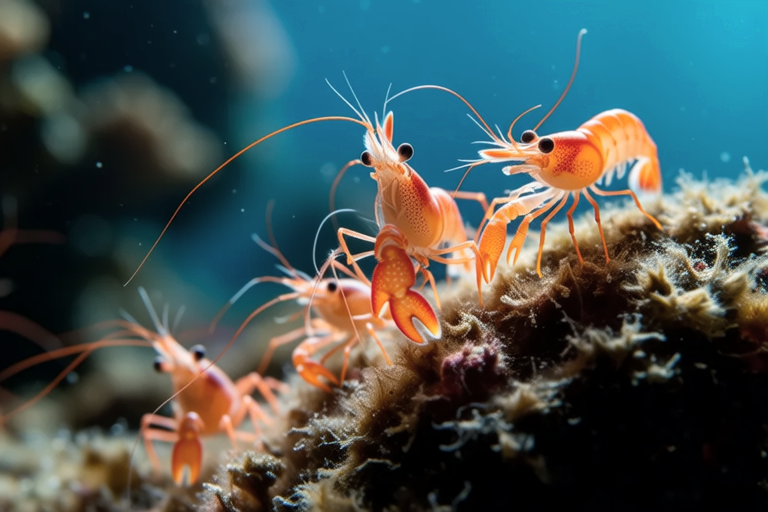
In addition to their functional benefits, coral shrimp are visually captivating. With their distinctive red and white-striped bodies, these shrimp are a feast for the eyes. Their vibrant colors and graceful movements can serve as a focal point in any saltwater aquarium, adding a touch of elegance and charm. The contrast between their vivid stripes and the surrounding marine life creates a visually dynamic display that can captivate even the most seasoned aquarist.
Interaction with Other Marine Life
Coral shrimp are generally peaceful and non-aggressive, making them excellent companions for a wide variety of marine species. They coexist well with most fish, including tangs, clownfish, and wrasses, and can even form beneficial relationships with some invertebrates. For instance, they have been observed cleaning the gills and body surfaces of larger fish, providing a natural form of healthcare within the tank. This symbiotic relationship not only enhances the well-being of the fish but also adds another layer of interest to the aquarium.
Tips for Setting Up a Suitable Environment for Coral Shrimp
Water Parameters
To ensure the optimal health and longevity of coral shrimp, it is essential to maintain specific water parameters. The temperature should be kept between 72°F and 82°F (22°C to 28°C), with a pH level ranging from 8.1 to 8.4. Salinity should be maintained at 1.020 to 1.025 specific gravity. Regular monitoring of these parameters is crucial, as fluctuations can stress the shrimp and compromise their health. Investing in a reliable thermometer, hydrometer, and pH meter is recommended to facilitate consistent monitoring.
Tank Mates
When selecting tank mates for coral shrimp, it is important to choose species that are compatible and will not pose a threat. While coral shrimp are relatively hardy, they can fall prey to larger, more aggressive fish. To minimize the risk of predation, it is advisable to house them with smaller, peaceful fish species. Additionally, avoiding crustacean-eating fish such as lionfish, triggerfish, and pufferfish is essential. Opting for tank mates that share similar water parameter requirements ensures a harmonious environment.
Feeding Requirements
Coral shrimp are omnivorous, meaning they consume both plant and animal matter. In the wild, they primarily feed on algae, detritus, and small planktonic organisms. In captivity, they can be fed a varied diet that includes high-quality flake foods, frozen or live brine shrimp, and algae wafers. Providing a diverse diet ensures that the shrimp receive all the necessary nutrients for optimal health. It is also important to note that overfeeding can lead to water quality issues, so feeding should be done in moderation.
Summary
Coral shrimp are truly indispensable additions to any saltwater aquarium. Their remarkable cleaning abilities, striking appearance, and peaceful nature make them valuable assets in maintaining a healthy and visually appealing marine ecosystem. By understanding and meeting their specific environmental needs, aquarists can provide a thriving home for these fascinating creatures. Whether you are a novice or an experienced saltwater enthusiast, incorporating coral shrimp into your tank is sure to bring joy and satisfaction, while also contributing to the overall well-being of your aquatic community.
