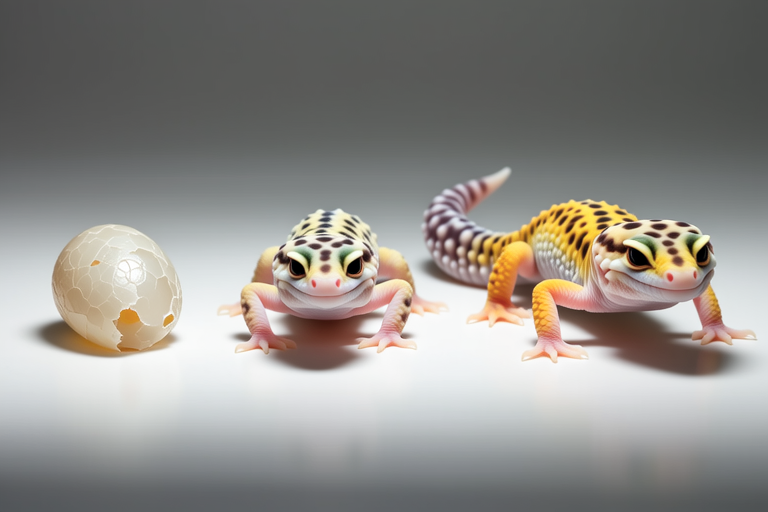
From Egg to Adult: A Complete Lifecycle of the Leopard Gecko
The leopard gecko (Eublepharis macularius) is one of the most popular reptiles among hobbyists due to its docile nature, ease of care, and striking appearance. This article will take you through the entire lifecycle of this fascinating creature, from its early days as an egg to its mature adult form.
Egg Development and Hatching
The journey begins when two leopard geckos mate. The female can store sperm for several months, allowing her to lay multiple clutches of eggs without needing repeated mating. Each clutch usually contains two eggs, though sometimes only one or three may be laid.
Egg development takes about four weeks under optimal conditions—temperatures between 86°F (30°C) and 90°F (32°C). During this period, the embryos grow inside the protective shell, developing vital organs, limbs, and scales.
Upon hatching, baby leopard geckos, known as hatchlings, emerge fully formed miniature versions of adults. They break out of their shells using an egg tooth, which falls off shortly after birth. These tiny geckos measure around 3-4 inches (7.5-10 cm) long and weigh approximately 0.2 ounces (6 grams).
Juvenile Growth
During the first few weeks post-hatching, juvenile leopard geckos experience rapid growth. Their diet consists primarily of small insects such as crickets and mealworms. It’s crucial to offer appropriately sized prey items to prevent digestive issues.
At this stage, juveniles display distinct patterns compared to adults. Their spots are more pronounced, often appearing brighter against their lighter background coloration. As they grow older, these markings gradually become less defined but remain characteristic of the species.
Leopard geckos reach sexual maturity between six months and one year old. Males typically mature earlier than females. By this point, they have developed fully functional reproductive systems capable of producing offspring.
Maturation into Adulthood
Adult leopard geckos exhibit several physical differences from juveniles. Their bodies become stockier, and their tails thicken slightly. Females develop wider hips and larger vents relative to males. Both sexes develop dewlaps—fleshy folds of skin beneath their chins used for communication and display during courtship rituals.
Dietary requirements change as leopard geckos age. Adults require fewer feedings per week compared to juveniles because their metabolism slows down. A balanced diet includes calcium-dusted crickets, waxworms, superworms, and occasional pinky mice for enrichment.
Habitat preferences also evolve over time. While juveniles thrive in smaller enclosures with shallow hiding spots, adults need larger spaces offering ample room for exploration and exercise. Providing varied substrates like coconut fiber or paper towels helps stimulate natural behaviors while preventing health risks associated with inappropriate bedding materials.
Behavioral Changes Throughout the Lifecycle
Leopard geckos demonstrate various behavioral traits depending on their life stage. Hatchlings tend to be more skittish and prone to stress when handled frequently. However, regular gentle handling can help them acclimate to human interaction, making them more comfortable as pets.
As juveniles, leopard geckos show increased activity levels, exploring their environment more actively. They may engage in play-fighting with cage mates if housed together, though this behavior usually diminishes as they mature.
Adults generally display calmer demeanors, spending significant portions of their day basking or resting in preferred locations within their enclosure. They may exhibit territorial behaviors towards conspecifics, especially during breeding seasons.
Unique Characteristics at Different Life Stages
Hatchlings possess unique adaptations that aid survival. Their egg teeth allow them to escape confinement, and they come equipped with sufficient fat reserves stored in their tails to sustain them until they find food sources independently.
Juveniles benefit from high metabolic rates supporting rapid growth phases. Their ability to autotomize (drop) their tails serves as a defense mechanism against predators. Regenerated tails differ from original ones in shape and texture, lacking the same intricate pattern.
Adult leopard geckos boast impressive regenerative capabilities beyond tail loss. They can recover from minor injuries more efficiently than younger counterparts, thanks to enhanced immune functions.
Care Tips for Owners
Providing proper nutrition is essential at every life stage. Juveniles should receive daily feedings consisting of gut-loaded insects dusted with calcium powder. As they grow, reduce feeding frequency while ensuring adequate vitamin intake.
Maintaining appropriate humidity levels promotes healthy shedding cycles. Juveniles require higher humidity environments (around 40-60%) to facilitate smooth molting processes. Adults benefit from slightly lower moisture levels (30-40%) to prevent respiratory infections.
Regular monitoring of weight and body condition indicators ensures overall wellness throughout the lifecycle. Weight fluctuations could indicate underlying health issues requiring veterinary attention.
Conclusion
The lifecycle of a leopard gecko encompasses remarkable transformations from egg to adult. Understanding these stages provides invaluable knowledge for prospective owners and enthusiasts alike. By addressing specific needs at each phase, we can ensure our scaly companions lead happy, healthy lives.
