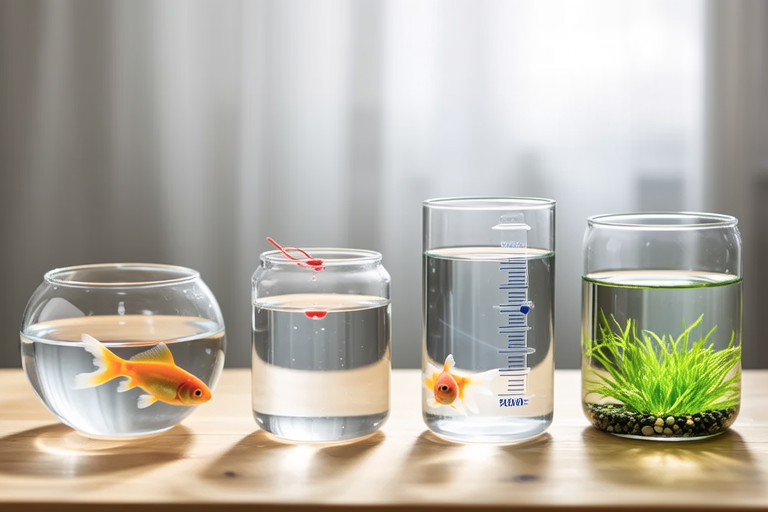
5 Common Mistakes Goldfish Owners Make (And How to Avoid Them)
Welcome to the fascinating world of goldfish! These vibrant, graceful creatures have captivated hearts for centuries and remain one of the most popular choices for aquarium enthusiasts. Whether you’re a seasoned aquarist or a first-time pet owner, goldfish bring joy and beauty into homes across the globe. However, like any other pet, they come with specific needs that, if not met, can lead to health issues and shortened lifespans. In this article, we’ll explore five common mistakes goldfish owners make and provide actionable advice on how to ensure your aquatic friends thrive.
1. Inadequate Tank Size
The first and perhaps most critical mistake is providing an insufficiently sized tank. Goldfish are active swimmers and require ample space to move freely. A cramped tank not only restricts their movement but also increases stress levels and can lead to health problems.
Why It’s Harmful: Small tanks force goldfish to swim in close proximity to each other, increasing the risk of injuries from fin nipping and territorial disputes. Additionally, the limited volume of water accelerates the buildup of toxins such as ammonia and nitrite, which are harmful to the fish.
How to Avoid It: Invest in a tank that meets the minimum recommended size: at least 20 gallons for a single goldfish, with an additional 10 gallons per additional fish. Ensure the tank is long enough to allow swimming back and forth. Regular water changes and proper filtration are crucial to maintain water quality.
2. Poor Water Quality Maintenance
Water quality is paramount for goldfish health. Neglecting regular water changes and inadequate filtration can lead to toxic conditions detrimental to your fish.
Why It’s Harmful: Goldfish produce waste continuously, and without proper filtration and water changes, this waste accumulates, leading to spikes in ammonia, nitrite, and nitrate levels. High concentrations of these compounds can cause severe stress, respiratory issues, and even death.
How to Avoid It: Install a reliable filter that matches your tank size. Perform weekly partial water changes, removing about 20% of the water each time. Always use a dechlorinator to neutralize chlorine and chloramine found in tap water. Monitoring water parameters with test kits will help you stay on top of potential issues before they become serious.
3. Incorrect Feeding Habits
Overfeeding is another common pitfall among goldfish owners. While it may seem harmless, excessive feeding can lead to obesity, digestive issues, and water pollution.
Why It’s Harmful: Overfeeding results in uneaten food sinking to the bottom of the tank, decomposing, and further contaminating the water. This decomposition process increases ammonia levels, stressing the fish and making them more susceptible to diseases. Additionally, goldfish fed beyond their nutritional needs can develop fatty liver disease and swim bladder disorders.
How to Avoid It: Feed your goldfish small amounts two to three times daily, ensuring they finish within a couple of minutes. Opt for high-quality flake or pellet foods formulated for goldfish. Supplement their diet with occasional treats like blanched vegetables (e.g., peas) or daphnia. Remember, less is often more when it comes to feeding.
4. Lack of Hiding Spots
Goldfish, despite their robust appearance, need places to hide and feel secure. Without adequate hiding spots, they may experience chronic stress, affecting their overall well-being.
Why It’s Harmful: Stress weakens the immune system, making goldfish more prone to illnesses. Chronic stress can also lead to behavioral changes, such as aggression or lethargy. Providing hiding spots helps goldfish establish territories and reduces stress during feeding times.
How to Avoid It: Incorporate various types of decorations such as caves, plants, and castles into your tank. Live or artificial plants serve dual purposes; they offer shelter while also enhancing oxygenation through photosynthesis. Ensure that decorations are safe and do not have sharp edges that could injure your fish. Strategically placing decorations around the tank will create distinct zones, allowing each fish to find its preferred spot.
5. Insufficient Tank Decorations for Swimming Space
While it’s essential to decorate your tank aesthetically, too many decorations can limit swimming space and create dangerous obstacles for your goldfish.
Why It’s Harmful: Overcrowded tanks hinder swimming patterns, causing frustration and potentially leading to physical injuries. Fish may collide with decorations, damaging fins or scales. Furthermore, dense decoration arrangements reduce water circulation, contributing to poor water quality.
How to Avoid It: Strike a balance between aesthetics and functionality. Arrange decorations in a way that maximizes open swimming areas while still providing interest and visual appeal. Floating plants and driftwood can add natural elements without obstructing movement. Ensure that the tank has a clear path for your fish to swim freely from one end to the other.
Maintaining a Healthy Goldfish Environment
In conclusion, keeping goldfish healthy requires attention to detail and commitment. By avoiding the pitfalls outlined above—providing adequate tank size, maintaining excellent water quality, practicing proper feeding habits, offering hiding spots, and ensuring sufficient swimming space—you can create an optimal environment for your goldfish. Remember, responsible pet ownership means being proactive in addressing potential issues before they escalate.
Regular monitoring of your goldfish’s behavior and health is key. Signs of distress include lethargy, loss of appetite, unusual swimming patterns, or visible injuries. If you notice any concerning symptoms, consult with a veterinarian specializing in aquatic animals. With love, care, and attention, your goldfish will reward you with years of companionship and beauty.
Embrace the joys of goldfish ownership responsibly, and together, let’s ensure our aquatic friends lead happy, healthy lives. Happy fishkeeping!
