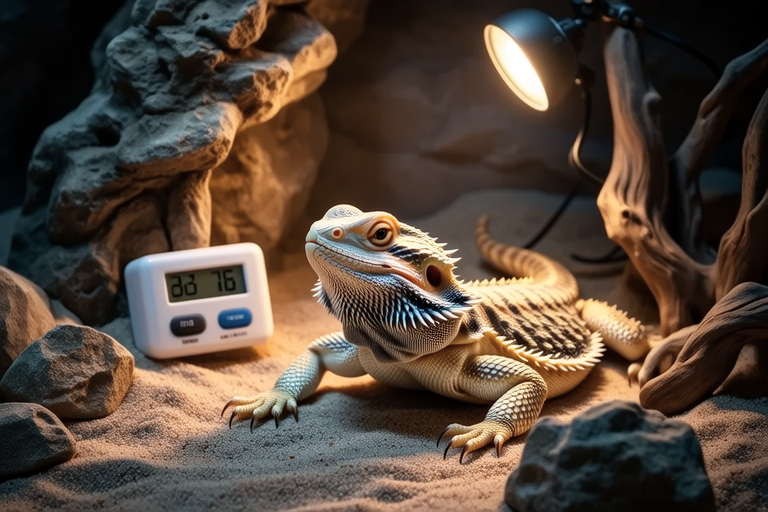
How to Create the Ultimate Habitat for Your Bearded Dragon!
Welcome to your comprehensive guide on creating the ultimate habitat for your bearded dragon! Whether you’re a first-time owner or an experienced reptile enthusiast, this guide will provide you with all the essential information needed to set up a safe, comfortable, and stimulating environment for your scaly friend. We’ll cover everything from tank size and substrate types to lighting requirements, heating setups, hiding spots, and appropriate decorations. Additionally, we’ll offer tips on maintaining cleanliness and ensuring a healthy environment, tailored to the specific needs of bearded dragons at different life stages.
Understanding Bearded Dragons
Bearded dragons are popular pets due to their friendly nature and ease of care. Native to Australia, they thrive in arid environments and require specific conditions to stay healthy and happy. Their unique behaviors, such as head bobbing and arm waving, make them fascinating to observe. Understanding these creatures’ natural habitats will help you create an ideal living space that mimics their wild environment.
Tank Size
The size of the enclosure is crucial for your bearded dragon’s well-being. A general rule of thumb is that the tank should be at least 40 gallons for one adult dragon, but bigger is always better. For juveniles, a 20-gallon tank can suffice initially, but they will need more space as they grow. Always consider the future growth of your pet when choosing the right size tank.
Substrate Type
Selecting the right substrate is vital for preventing impaction and ensuring hygiene. Avoid substrates like sand or small gravel, which can lead to digestive issues if ingested. Instead, opt for safer alternatives such as reptile carpet, paper towels, or eco-friendly bedding. These options are easier to clean and maintain, promoting a healthier living environment for your bearded dragon.
Lighting Requirements
Proper lighting is essential for your bearded dragon’s health, particularly for UVB exposure. UVB light helps in calcium absorption and prevents metabolic bone disease. Choose a high-quality UVB bulb designed specifically for reptiles, ensuring it covers at least 75% of the tank. Position the bulb correctly to avoid overheating, and replace it every six months or according to the manufacturer’s instructions. In addition to UVB, full-spectrum lighting is necessary for simulating daylight cycles, promoting natural behavior, and enhancing overall well-being.
Heating Setup
Maintaining the correct temperature gradient within the tank is critical for your bearded dragon’s metabolism and digestion. Use a combination of under-tank heaters (UTH) and overhead basking lamps to achieve the desired temperatures. The cool side of the tank should range between 75-80°F (24-27°C), while the basking spot should reach 95-105°F (35-40°C). Install a reliable thermostat to monitor and regulate these temperatures accurately. Regularly check the thermometer to ensure accuracy and adjust the heating setup as needed.
Hiding Spots
Providing ample hiding spots is important for your bearded dragon’s mental and physical health. Hiding spots offer security and reduce stress, allowing your pet to feel safe and comfortable. Use commercially available reptile caves, cork bark, or half logs to create cozy hideouts. Ensure there are multiple hiding spots throughout the tank, including one on the warm side and another on the cooler side. This allows your dragon to thermoregulate effectively while still feeling secure.
Appropriate Decorations
Adding appropriate decorations enhances the visual appeal of the tank and provides enrichment opportunities for your bearded dragon. Incorporate climbing branches, rocks, and plants to create a stimulating environment. These items encourage natural behaviors like basking, climbing, and exploring. When selecting decorations, choose non-toxic materials and ensure they are securely placed to prevent tipping or falling. Additionally, consider adding water dishes, food dishes, and climbing structures to mimic their natural habitat.
Maintaining Cleanliness
Maintaining a clean and hygienic environment is crucial for your bearded dragon’s health. Regular cleaning routines include spot-cleaning daily, removing waste and uneaten food promptly. Perform a thorough deep clean every two weeks, replacing substrate and scrubbing all surfaces with a reptile-safe disinfectant. Pay special attention to areas where waste accumulates, ensuring no harmful bacteria or parasites滋生。此外,定期检查和更换过滤器,以确保水的清洁度和适当的氧气水平。保持适当的温度也很重要,通常在24-27°C之间。使用加热棒或加热垫来调节水温,并安装一个可靠的温度计来监控和调节这些温度。定期检查温度计以确保准确性,并根据需要调整加热设置。
Conclusion
Creating the ultimate habitat for your bearded dragon involves careful consideration of various factors, from tank size and substrate type to lighting requirements and heating setup. By following the guidelines outlined in this comprehensive guide, you can ensure your pet enjoys a safe, comfortable, and stimulating environment that promotes optimal health and happiness. Remember to tailor the habitat to your bearded dragon’s specific needs at different life stages and regularly monitor their well-being. With proper care and attention, your bearded dragon will thrive in its new home.
