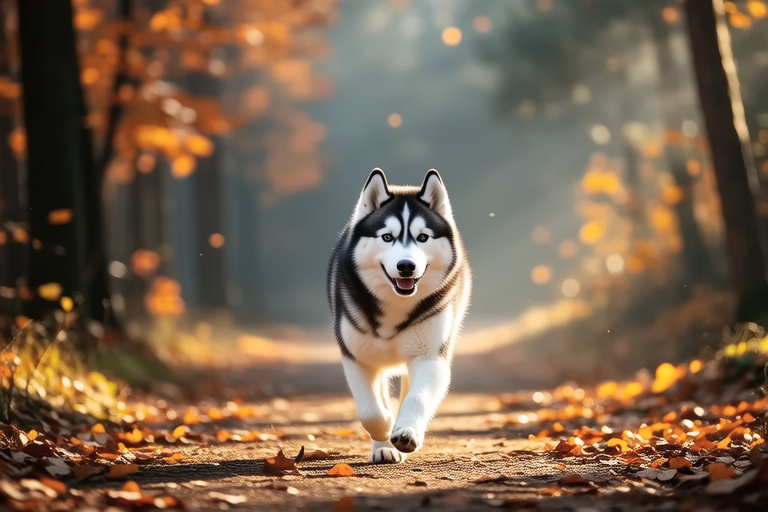
Adventures with a Siberian Husky: What Every Owner Should Know
Siberian Huskies have long captured the hearts of dog lovers around the world with their striking blue eyes, thick coats, and playful demeanor. These dogs are more than just beautiful; they are hardworking, intelligent, and full of energy. If you’re considering adding a Siberian Husky to your family or are already an owner, this guide will provide you with valuable insights into their history, temperament, exercise needs, grooming requirements, dietary considerations, common health issues, training tips, and advice on socializing them with other pets and humans.
A Brief History of the Siberian Husky
The Siberian Husky originates from the Chukchi people of Northeastern Asia, where they were bred to pull sleds across vast snowy landscapes. Their endurance and resilience made them invaluable companions for the Chukchi people, who relied on these dogs for survival in harsh Arctic conditions. In the early 20th century, Siberian Huskies gained fame during the 1925 serum run to Nome, Alaska, where they delivered life-saving medicine to a town suffering from diphtheria. This event highlighted their strength and reliability, cementing their place in history.
Temperament: The Soul of a Husky
Siberian Huskies are known for their friendly and outgoing nature. They are generally good with children and other animals, making them excellent family pets. However, their independent streak can sometimes be challenging. Huskies are pack animals by nature, so they thrive when they feel part of a group. They need consistent leadership and clear boundaries to prevent behavioral issues. Real-life experiences often highlight how important it is to establish yourself as the alpha early on, ensuring your Husky understands who’s in charge.
Exercise Needs: The Energetic Companion
One of the most significant aspects of owning a Siberian Husky is understanding their high energy levels. These dogs were bred to work, and they need plenty of physical activity to stay happy and healthy. Regular exercise, such as daily walks or runs, is essential. Many owners find that their Huskies enjoy participating in activities like hiking, biking, and even dog sports. Without adequate exercise, Huskies can become bored and may resort to destructive behaviors. A well-exercised Husky is a well-behaved one!
Grooming Requirements: The Coated Companions
Siberian Huskies have a double coat that requires regular grooming to keep it in top condition. Brushing your Husky at least twice a week helps remove loose fur and prevent matting. During shedding season, which typically occurs in the spring and fall, you may need to increase brushing frequency to several times a week. Bathing should be done only when necessary, as over-bathing can strip the coat of its natural oils. Pay special attention to their ears, as they are prone to infections due to their shape. Regular ear cleaning can help prevent these issues.
Dietary Considerations: Nourishing Your Husky
Proper nutrition is crucial for maintaining your Husky’s health and vitality. A balanced diet rich in protein, fats, and carbohydrates is ideal. Many owners opt for high-quality commercial dog foods specifically formulated for large breeds or working dogs. It’s essential to consult with your veterinarian to determine the appropriate portion sizes and feeding schedule based on your Husky’s age, weight, and activity level. Avoid overfeeding, as obesity can lead to various health problems, including joint issues and diabetes. Treats should also be given in moderation.
Common Health Issues: Keeping Your Husky Healthy
While Siberian Huskies are generally healthy, they are prone to certain genetic health issues. Hip dysplasia, a condition affecting the hip joint, is one of the most common. Regular check-ups with your veterinarian can help catch this issue early. Another concern is progressive retinal atrophy (PRA), a degenerative eye disease that can lead to blindness. Responsible breeding practices can reduce the risk of these conditions. Early detection and intervention are key to managing any health issues your Husky may face.
Training Tips: The Smart and Playful Pup
Training a Siberian Husky requires patience and consistency. Due to their independent nature, Huskies can be challenging to train. Positive reinforcement techniques, such as rewarding good behavior with treats and praise, are highly effective. Socialization is also crucial, especially during the puppy stage. Expose your Husky to different environments, people, and other animals to build their confidence and reduce fear-based aggression. Basic commands like “sit,” “stay,” and “come” should be taught early on. Advanced training, such as agility or obedience trials, can provide mental stimulation and strengthen the bond between you and your Husky.
Socializing Your Husky: A Friendly Furry Friend
Siberian Huskies are social animals and enjoy interacting with both humans and other animals. Proper socialization from a young age helps ensure your Husky grows up to be a well-adjusted adult. Encourage positive interactions with friends, family, and neighbors. When introducing your Husky to other dogs, choose calm and gentle playmates. Supervise all interactions until you’re confident your Husky can handle themselves appropriately. Huskies are naturally curious and friendly, but they can sometimes be overly enthusiastic, so it’s important to teach them appropriate boundaries.
Real-Life Experiences: A Day in the Life of a Husky Owner
Every day with a Siberian Husky is an adventure. From early morning jogs through the park to evening cuddles by the fireplace, each moment is filled with joy and challenge. One owner shared her experience: “My Husky, Bella, loves nothing more than a good run. She’s always ready to go, and we’ve built our morning routine around these outings. It’s not just about the exercise; it’s about bonding. Bella’s energy keeps me motivated, and I love seeing her happy and healthy.” Another owner noted, “Socializing my Husky was a bit of a learning curve. He was initially shy around strangers, but with time and patience, he’s become much more confident. Now he’s a real social butterfly!”
Advice for New and Existing Owners
Owning a Siberian Husky is a rewarding experience, but it comes with responsibilities. New owners should be prepared for the commitment and challenges that come with raising a high-energy, independent dog. Existing owners can benefit from ongoing education and support. Joining a local dog club or online community can provide valuable resources and connections. Remember, every dog is unique, and what works for one may not work for another. Stay patient, stay positive, and enjoy the journey with your furry friend.
In conclusion, Siberian Huskies are incredible companions, offering loyalty, intelligence, and endless fun. By understanding their history, temperament, exercise needs, grooming requirements, dietary considerations, common health issues, training tips, and socialization needs, you’ll be well-prepared for the adventures that come with owning a Siberian Husky. With proper care and attention, you and your Husky will share many wonderful years together.
