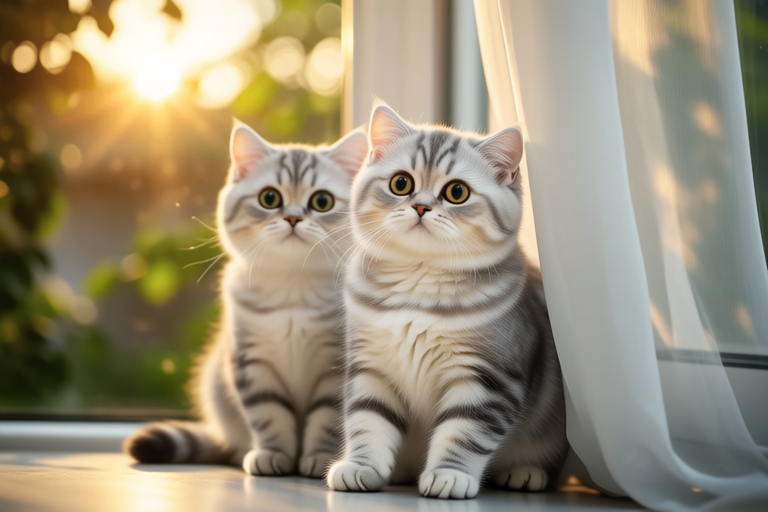
Adorable Munchkins: The Cats with Stuntman Genes
Welcome to the enchanting world of Munchkin cats, a breed that has captured the hearts of cat lovers everywhere with their unique charm and remarkable abilities. These felines, often referred to as ‘cats with stuntman genes,’ are known for their short legs, agile movements, and playful personalities. In this article, we will explore the origins, genetics, and unique traits of Munchkin cats, offering insights into their delightful quirks and what makes them such beloved pets.
The Origins of the Munchkin Breed
The story of the Munchkin breed begins in the 1980s when a Louisiana woman named Sandra Hochenedel discovered a pregnant stray cat with unusually short legs. She rescued the cat and named her Blackberry. Among Blackberry’s kittens were two males with the same distinctive feature. Hochenedel gave one of these kittens, Toulouse, to her friend Kay LaFrance. This accidental discovery led to the breeding of Munchkin cats, which have since become a popular and recognized breed.
While Munchkins share some similarities with other breeds, they possess a unique genetic mutation responsible for their short legs. This mutation affects the long bone growth plates, causing them to stop growing earlier than usual. Despite this, Munchkins maintain their agility and athleticism, making them a fascinating study in feline adaptation.
Physical Traits and Agility
Munchkin cats are instantly recognizable by their short legs, which give them a distinct appearance. Their bodies are proportionate, with medium-sized heads and large, expressive eyes. Their coats can be either short or long, coming in a variety of colors and patterns. The most striking feature, however, remains their short legs, which are the result of the aforementioned genetic mutation.
Despite their shorter stature, Munchkins are incredibly agile. They can leap and jump with surprising ease, often reaching high shelves or perches with remarkable precision. Their strong back legs provide the power needed for these feats, allowing them to move swiftly and gracefully. This agility is further enhanced by their playful nature, making each day an adventure for both the cat and its owner.
Compare this to the typical cat, which might prefer lounging around or stalking prey from a distance. Munchkins, on the other hand, seem to thrive on interaction and play. Their energy levels are often higher, and they enjoy engaging with their environment. This playful spirit makes them excellent companions for families or individuals looking for an active pet.
Personality and Playfulness
Munchkin cats are known for their friendly and outgoing personalities. They are curious and social, often seeking out human companionship. Their playful nature means they enjoy games and toys, making them ideal candidates for interactive play sessions. Munchkins are also known for their intelligence, often figuring out how to open doors or cabinets to reach treats or toys.
These cats tend to form strong bonds with their owners, following them around the house and demanding attention. Their affectionate demeanor extends beyond just their owners; Munchkins are often good with children and other pets, making them suitable for multi-pet households. Their adaptability and resilience make them capable of thriving in various environments, from busy homes to quieter settings.
Health Considerations
While Munchkins are generally healthy, it is important to consider the genetic factors that contribute to their unique appearance. The gene responsible for their short legs is dominant, meaning that offspring will inherit the trait if at least one parent carries the gene. However, breeders must take care to avoid excessive inbreeding, which could lead to health issues.
One potential concern for Munchkin owners is the possibility of spinal issues, such as lordosis or kyphosis, due to the altered skeletal structure. Regular veterinary check-ups are recommended to monitor the cat’s overall health and address any concerns early. Proper nutrition and exercise are also crucial for maintaining their well-being.
Anecdotes and Studies
There are numerous stories and studies highlighting the resilience and adaptability of Munchkin cats. One such anecdote involves a Munchkin named Whiskers who survived a traumatic event. After being hit by a car, Whiskers was taken to a veterinarian where extensive surgeries were performed. Despite initial doubts about his recovery, Whiskers made a full comeback, demonstrating the breed’s remarkable ability to bounce back from adversity.
Studies have also shown that Munchkins are highly adaptable to different living situations. Whether in a bustling city apartment or a quiet countryside home, they find ways to make themselves comfortable and thrive. Their playful nature and intelligence help them navigate new environments with ease, making them excellent companions for people on the go.
Conclusion
Munchkin cats are truly unique creatures, combining the charm of typical felines with a dash of the extraordinary. Their short legs, agility, and playful personalities make them stand out among other breeds. While there are some health considerations to keep in mind, the joy and companionship they bring to their owners are undeniable. If you’re considering adopting a Munchkin, be prepared for a lifetime of fun, adventure, and unconditional love. These ‘cats with stuntman genes’ are sure to capture your heart and bring endless delight into your home.
