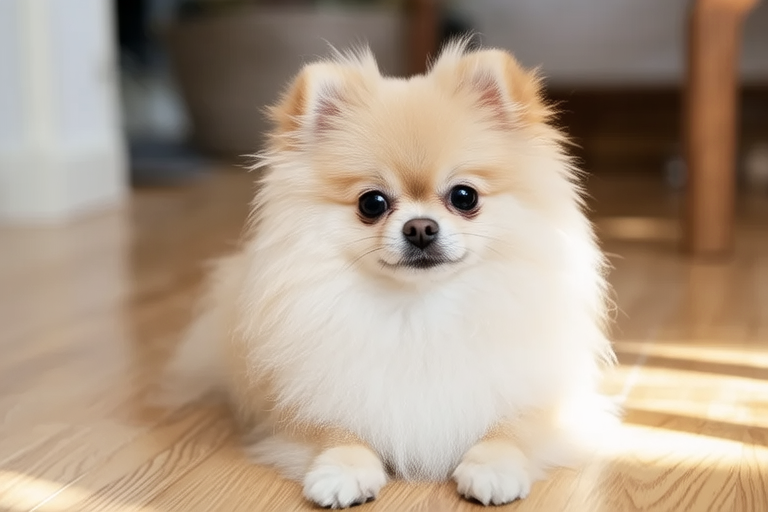
Adorable Fluff Ball: How To Care For Your Tiny Pomeranian Companion
Welcome to the world of the Pomeranian! These adorable fluff balls have captured the hearts of many pet lovers worldwide. Known for their charming personalities and luxurious coats, Pomeranians are a popular choice for families and individuals seeking a loyal, affectionate companion. Their small size makes them perfect for apartment living, while their playful nature ensures they remain a joy to be around. In this comprehensive guide, we will explore how to care for your tiny Pomeranian companion, covering everything from diet and exercise to grooming and training.
Introduction: The Charming Characteristics of Pomeranians
Pomeranians, or Pom-Poms, are a breed of toy dog known for their striking appearance and lively demeanor. Originating from the Pomerania region in Central Europe, these dogs were initially bred as larger working dogs but have been selectively bred down to their current size. Despite their diminutive stature, Pomeranians retain a robust spirit and are often described as fearless, curious, and alert. Their small size, coupled with their intelligence, makes them excellent companions for both young and old. With proper care and attention, your Pomeranian can live a long, healthy, and happy life.
Diet and Nutrition: Fueling Your Pomeranian’s Energy
Feeding your Pomeranian a balanced diet is crucial for maintaining their energy levels and overall health. Due to their small size, Pomeranians require high-quality, nutrient-dense food to meet their dietary needs. Opt for commercially prepared dog foods specifically designed for small breeds, ensuring they provide adequate protein, fat, carbohydrates, vitamins, and minerals. Avoid overfeeding, as Pomeranians are prone to obesity, which can lead to various health issues. Consult with your veterinarian to determine the appropriate portion sizes based on your Pomeranian’s age, weight, and activity level.
In addition to regular meals, consider providing your Pomeranian with healthy treats and snacks. Fresh fruits like blueberries, apples, and bananas can be great options, but always ensure any treat does not exceed 10% of their daily caloric intake. Be cautious with human foods; some can be toxic to dogs, such as chocolate, grapes, and onions. Always read labels carefully and consult with your vet if you’re unsure about a particular ingredient.
Exercise Routines: Keeping Your Pomeranian Fit and Happy
While Pomeranians may seem delicate due to their small size, they are quite active and require regular exercise to stay fit and healthy. Daily walks, playtime, and indoor activities can help keep your Pomeranian’s energy levels in check. Short, brisk walks are ideal for Pomeranians, allowing them to explore their surroundings while keeping their cardiovascular system healthy. Additionally, incorporate interactive games like fetch, hide-and-seek, or puzzle toys to stimulate their minds and prevent boredom.
When exercising your Pomeranian, remember to avoid excessive heat or cold, as these conditions can be detrimental to their health. Always carry water during outdoor activities and ensure your Pomeranian has access to shade or warmth as needed. Indoor play areas with soft surfaces, such as carpeted floors or puppy pads, can also be beneficial, especially during inclement weather.
Grooming Tips: Maintaining Your Pomeranian’s Fluffy Coat
A key aspect of caring for your Pomeranian is maintaining their luxurious double coat. Regular grooming is essential to keep their fur free from mats and tangles, preventing skin irritations and infections. Brush your Pomeranian’s coat at least three times a week, using a slicker brush to remove loose hair and prevent matting. Pay special attention to areas prone to tangling, such as behind the ears and under the legs.
Bathing your Pomeranian should be done every four to six weeks, depending on their activity level and environment. Use a gentle, pH-balanced shampoo specifically formulated for dogs, and thoroughly rinse to avoid leaving any residue. After bathing, dry your Pomeranian with a towel and consider using a blow dryer on a low, cool setting to ensure complete drying and prevent moisture-related issues.
Trimming nails, cleaning ears, and brushing teeth are other important grooming tasks. Long nails can cause discomfort and interfere with walking, so trim them regularly. Clean your Pomeranian’s ears with a cotton ball and a gentle ear-cleaning solution to prevent wax buildup and infections. Lastly, brushing your Pomeranian’s teeth daily can help prevent dental diseases and promote good oral hygiene.
Common Health Issues and Preventive Care
Like all breeds, Pomeranians are susceptible to certain health issues. Early detection and preventive care can significantly improve their quality of life. Common health problems include dental disease, patellar luxation (dislocated kneecap), hypothyroidism, and tracheal collapse. Regular veterinary check-ups are essential for early diagnosis and treatment.
To prevent health issues, maintain a balanced diet, provide regular exercise, and adhere to a vaccination schedule recommended by your veterinarian. Parasite control, including heartworm prevention and flea/tick treatments, is also crucial. Consider purchasing pet insurance to cover potential medical expenses, and always monitor your Pomeranian for any signs of illness or discomfort.
Training Techniques: Building a Well-Behaved Companion
Training your Pomeranian is vital for fostering a well-behaved and obedient companion. Positive reinforcement techniques, such as praise, treats, and affection, are highly effective for this breed. Consistency is key; establish clear rules and expectations, and reward desired behaviors promptly. Avoid harsh punishment, as it can lead to fear and aggression.
Begin training your Pomeranian at a young age, focusing on basic commands like ‘sit,’ ‘stay,’ ‘come,’ and ‘leave it.’ Crate training can be particularly useful for housebreaking and providing a safe space for your Pomeranian. Socialization is equally important; expose your Pomeranian to various environments, people, and other animals to build confidence and reduce anxiety.
Socializing Your Tiny Companion
Socialization plays a crucial role in shaping your Pomeranian’s behavior and temperament. Expose your Pomeranian to different environments, people, and other animals from a young age to foster a confident and well-adjusted adult dog. Puppy classes are an excellent resource for socialization, as they provide structured environments where your Pomeranian can interact with other puppies and learn basic obedience skills.
Encourage positive interactions with family members, friends, and neighbors. Introduce your Pomeranian to various sounds, sights, and experiences gradually, ensuring each encounter is enjoyable and stress-free. This approach helps build trust and reduces the likelihood of fear-based behaviors later in life.
Choosing the Right Accessories and Toys
The right accessories and toys can greatly enhance your Pomeranian’s quality of life, providing entertainment, comfort, and stimulation. Select toys that are appropriate for their size and chewing habits. Puzzle toys and interactive games can help keep your Pomeranian mentally engaged, while soft plush toys offer comfort and companionship. Collars, harnesses, and leashes should be lightweight and snug-fitting, ensuring your Pomeranian remains comfortable during walks.
Consider investing in a cozy bed or blanket for your Pomeranian, providing a warm and inviting space to rest. Other useful accessories include a travel carrier for safe transportation, a feeding station, and a grooming kit. By selecting items that cater to your Pomeranian’s specific needs, you can ensure they lead a happy and fulfilling life.
In conclusion, owning a Pomeranian is a rewarding experience filled with love, laughter, and companionship. By following the advice outlined in this guide, you can provide your tiny companion with the care and attention they need to thrive. Remember, each Pomeranian is unique, so adapt your care routine accordingly. With patience, dedication, and love, you’ll create a strong bond with your adorable fluff ball, making every moment spent together truly special.
