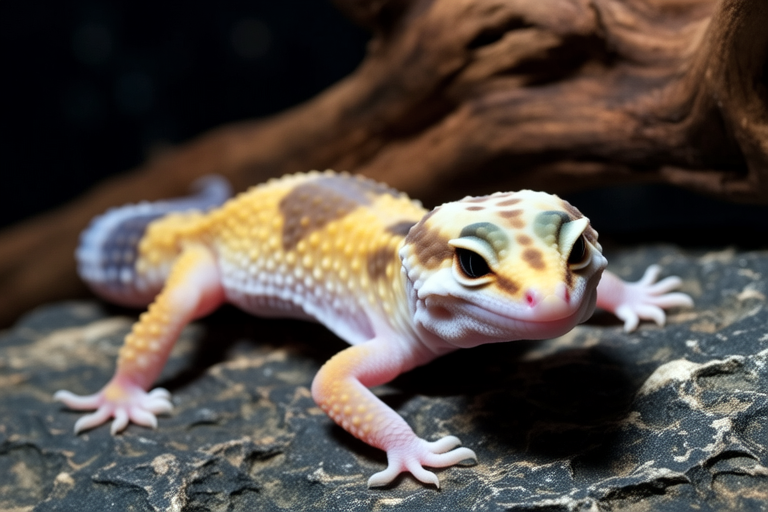
The Ultimate Guide: Everything You Need to Know About Leopard Geckos as Pets
Introduction:
Leopard geckos have become one of the most popular choices among reptile enthusiasts as pets due to their docile nature, ease of care, and vibrant appearance. These small lizards are native to the arid regions of Afghanistan, Pakistan, and parts of India. Their distinctive spots and colors make them visually appealing, while their relatively low maintenance requirements appeal to both novice and seasoned reptile owners.
Natural Habitat
Leopard geckos thrive in hot, dry environments with minimal humidity. In the wild, they can be found in rocky deserts, scrublands, and grassy areas where temperatures range from cool at night to warm during the day. Understanding these conditions helps recreate a suitable environment for them in captivity.
Ideal Living Conditions
Temperature
Maintaining the correct temperature gradient within the enclosure is crucial. The cool side should remain around 78°F (26°C) while the basking area should reach approximately 90°F (32°C). Use a reliable thermometer to monitor these temperatures.
Humidity
Adequate ventilation is essential; however, high humidity levels can lead to respiratory issues or skin problems. Aim for a humidity level between 30% and 40%. Providing a hide box filled with moist substrate can help maintain hydration without increasing overall humidity.
Tank Setup
A 20-gallon tank is sufficient for one adult leopard gecko. Include multiple hides, a water dish, and climbing structures. Substrate options include paper towels, reptile carpet, or eco-friendly bedding. Avoid loose substrates that could cause impaction if ingested.
Diet Requirements and Feeding Schedules
Leopard geckos are insectivores, primarily consuming crickets, mealworms, and dubia roaches. Gut loading insects with nutritious foods before feeding them to your gecko enhances nutritional value. Feed juveniles daily, reducing frequency as they mature to every other day or three times weekly for adults. Dust food with calcium powder twice weekly and multivitamins once weekly.
Behavior
Leopard geckos are solitary creatures and prefer living alone. They are nocturnal, meaning they are most active during the night. They spend much of their time hiding, coming out to hunt or bask when necessary. Proper environmental enrichment encourages natural behaviors and reduces stress.
Handling and Caring Tips
Handle your leopard gecko gently, supporting its body rather than grabbing it by the tail. Frequent gentle handling can tame them over time. Regularly check for signs of illness such as lethargy, weight loss, or abnormal shedding. Clean the enclosure weekly and spot clean daily.
Health Maintenance, Common Illnesses, and Signs of Distress
Monitor your gecko’s appetite, activity level, and overall appearance regularly. Common ailments include metabolic bone disease, respiratory infections, and parasites. Symptoms indicating distress may include loss of appetite, difficulty moving, or excessive hiding. Prompt veterinary attention is recommended if any concerns arise.
Choosing the Right Leopard Gecko as a Pet
When selecting a leopard gecko, consider several factors. Younger geckos tend to adapt better to new environments but require more attentive care. Adult geckos might already have established habits and preferences. Male geckos can become territorial, so keeping only females together or a single male with several females is advisable. Temperament varies, so observe potential pets’ reactions to handling carefully.
This comprehensive guide aims to equip you with all necessary information about caring for leopard geckos as pets. Whether you’re a beginner or an experienced keeper, understanding these reptiles’ unique needs ensures a rewarding companionship.
