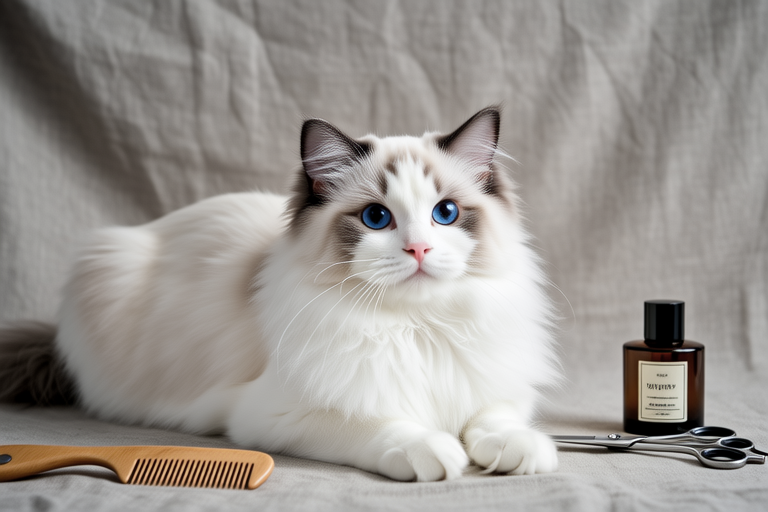
A Comprehensive Guide to Grooming Your Silky Ragdoll Cat
Welcome to this comprehensive guide designed to help you maintain the health and beauty of your Silky Ragdoll cat. These gentle giants are known for their stunning, silky coats and affectionate personalities. Proper grooming not only keeps them looking their best but also ensures their overall well-being. Let’s dive into the specifics of caring for your Silky Ragdoll.
Understanding the Unique Coat of a Silky Ragdoll Cat
The Silky Ragdoll cat boasts a semi-longhair coat that is dense and silky to the touch. Their fur is plush and soft, with a double layer that can be prone to matting if not properly maintained. The coat’s texture and density make it particularly important to establish a regular grooming routine. The undercoat sheds more heavily in spring and fall, so extra attention is needed during these times.
Essential Grooming Tools
To keep your Silky Ragdoll looking its best, you’ll need several tools:
- Deshedding Tool: A tool specifically designed to remove loose undercoat hair without damaging the topcoat.
- Bristle Brush: A wide-toothed comb or slicker brush helps distribute natural oils throughout the coat and removes tangles.
- Flea Comb: For checking your cat for fleas and other parasites.
- Cat Shampoo: Use a mild, pH-balanced shampoo suitable for cats.
- Towel: Always have a soft towel handy for drying your cat after a bath.
- Nail Clippers: Essential for trimming nails.
- Eyedropper: Useful for administering eye drops or cleaning.
- Cotton Balls: For cleaning ears gently.
- Dental Care Kit: Includes toothbrush and toothpaste formulated for cats.
Frequency and Methods for Brushing and Bathing
Brushing Frequency: Daily brushing is ideal, especially during shedding seasons. This helps prevent mats and distributes natural oils. If daily brushing isn’t possible, aim for at least three times a week.
Bathing Frequency: Unlike some breeds, Silky Ragdolls require less frequent bathing, usually every six to eight weeks. Over-bathing can strip the coat of natural oils, leading to dryness and irritation.
Brushing Method: Start by gently running your fingers through the coat to check for any tangles or mats. Use a deshedding tool first, followed by a bristle brush. Be patient and gentle, as pulling at knots can cause discomfort.
Bathing Method: Before bathing, ensure your cat is calm. Use warm water and a cat-specific shampoo. Wet the coat thoroughly, lather up, then rinse completely. Pat dry with a towel, avoiding vigorous rubbing.
Nail Care
Trimming nails regularly is crucial for your cat’s comfort and hygiene. Use sharp, high-quality clippers designed for cats. Avoid cutting the quick (the pink part inside the nail), which can cause bleeding and pain. If unsure, consult your veterinarian. Offer treats and praise to create a positive association with nail trimming.
Ear Cleaning
Regular ear cleaning prevents infections and maintains good hygiene. Use a cotton ball or soft cloth dipped in a pet-safe ear cleaner. Gently wipe the outer ear and ear flap. Never insert anything into the ear canal. Check for redness, swelling, or discharge, which may indicate an infection.
Dental Hygiene
Good oral health is vital for your cat’s overall health. Brush your cat’s teeth at least twice a week with a cat-specific toothbrush and toothpaste. Alternatively, offer dental chews and toys that promote healthy gums and teeth. Regular dental check-ups with your vet are also recommended.
Tips for Making Grooming a Positive Experience
Introduce grooming gradually and reward your cat with treats and affection. Create a comfortable, quiet space for grooming sessions. Allow breaks if your cat becomes stressed. Use positive reinforcement to encourage cooperation.
Recognizing Skin Issues and Maintaining Overall Coat Health
Look out for signs of skin problems such as redness, flakiness, bald spots, or excessive scratching. These could indicate allergies, parasites, or infections. Consult your vet for proper diagnosis and treatment.
To maintain coat health, provide a balanced diet rich in omega-3 and omega-6 fatty acids. Consider supplements if your vet recommends them. Regular grooming not only keeps your cat looking beautiful but also strengthens the bond between you and your feline friend.
Conclusion
Grooming your Silky Ragdoll cat is a rewarding process that enhances both their appearance and well-being. By understanding their unique coat, using the right tools, and establishing a consistent grooming routine, you can ensure your cat remains happy, healthy, and beautiful. Remember, patience and consistency are key to making grooming a positive experience for both you and your cat.
