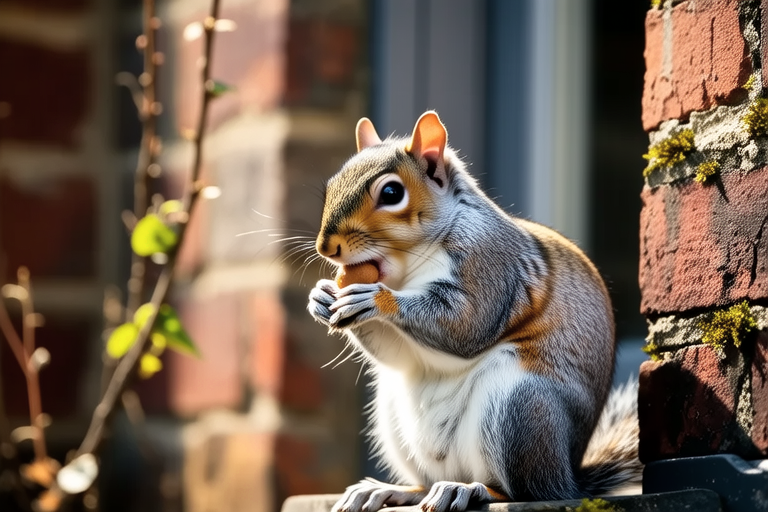
Urban Squirrels: Surviving and Thriving Amidst Human Development
In the bustling heart of cities, where towering skyscrapers and sprawling concrete jungles dominate the landscape, a resilient and adaptable species thrives – the urban squirrel. These small, agile creatures have found ways to navigate the complexities of urban life, making the most of what humans provide. This article delves into the behaviors, habits, and challenges faced by urban squirrels, offering insights into their biology, ecology, and unique adaptations that enable them to flourish in an environment far removed from their natural habitats.
The Adaptation Skills of Urban Squirrels
Urban squirrels exhibit remarkable adaptability, enabling them to thrive in environments drastically different from their woodland origins. Their ability to exploit resources provided by human infrastructure is one of their key survival strategies. Cities offer an abundance of artificial structures such as buildings, bridges, and utility lines that serve as alternative habitats and travel routes for these resourceful animals. They also take advantage of human-provided food sources, including bird feeders, gardens, and even discarded leftovers. By utilizing these urban amenities, squirrels can expand their territories and increase their chances of finding mates.
One lesser-known aspect of their adaptability is their capacity to learn from one another. Research has shown that squirrels can observe and imitate the behavior of other squirrels, allowing them to quickly adopt new survival techniques. For instance, if one squirrel discovers a reliable food source or a safe route through a busy intersection, others may follow suit, enhancing the entire population’s ability to survive in the urban environment.
Interaction with Humans
Urban squirrels have developed a complex relationship with humans, characterized by both conflict and cooperation. While some people view them as pests due to their tendency to raid bird feeders or gnaw on electrical wires, others find them charming and endearing. This duality in human perception reflects the diverse ways in which squirrels interact with their human neighbors.
One fascinating aspect of this interaction is the social dynamics between squirrels and humans. Studies have shown that squirrels can recognize individual humans and adjust their behavior accordingly. For example, some squirrels may become more aggressive towards individuals who have previously tried to harm them, while others may grow accustomed to regular feeders and develop trusting relationships with certain people. This level of social complexity suggests that squirrels possess a degree of cognitive flexibility that allows them to navigate the unpredictable nature of human interactions.
Diet and Foraging Behavior
The diet of urban squirrels consists primarily of seeds, nuts, fruits, and vegetables, but it also includes a surprising array of human-derived foods. In addition to scavenging from trash cans and gardens, squirrels have been observed consuming bread, popcorn, and even candy. This eclectic diet reflects their opportunistic feeding habits and their ability to adapt to changing food availability in urban areas.
Despite their willingness to eat almost anything, squirrels still prioritize high-energy foods like acorns and walnuts when available. This preference ensures that they maintain optimal body condition for activities such as mating and avoiding predators. Additionally, squirrels engage in caching behavior, where they bury surplus food items for later consumption. This strategy helps them survive periods of scarcity and demonstrates their advanced planning abilities.
Reproduction and Lifespan
Urban squirrels typically reach sexual maturity at around one year of age and can produce two litters per year under favorable conditions. Litter sizes vary depending on factors such as food availability and environmental stressors, but they usually consist of three to six young. After birth, the mother cares for her offspring exclusively for several weeks before gradually introducing them to solid food and independent living.
Interestingly, squirrels have evolved specific adaptations to protect their young from potential threats. For instance, mothers will move their nests multiple times during the early stages of their offspring’s lives to avoid detection by predators. This behavior underscores the importance of parental care in ensuring the survival of the next generation. The average lifespan of an urban squirrel is approximately four years, though some individuals may live longer if they manage to avoid accidents, diseases, and predation.
Navigating Urban Landscapes
Urban squirrels face numerous challenges when navigating the complex and often dangerous landscape of cities. One significant challenge is crossing roads safely. To mitigate this risk, squirrels have developed various strategies, including waiting for gaps in traffic and using overhead structures like power lines and fences as pathways. However, despite these efforts, road mortality remains a leading cause of death among urban squirrels.
Another challenge is maintaining sufficient access to green spaces and natural habitats within cities. As urbanization continues to encroach upon traditional wildlife areas, squirrels must compete with other species for limited resources. Conservation efforts aimed at preserving and creating green corridors can help alleviate this pressure and promote healthier populations of urban squirrels.
Scientific Insights on Biology and Ecology
Recent research has shed light on several intriguing aspects of squirrel biology and ecology. For example, studies have demonstrated that squirrels possess excellent spatial memory, allowing them to remember the locations of cached food items over extended periods. This skill is particularly useful in urban environments where food sources may be scarce or unpredictable.
Additionally, scientists have discovered that squirrels exhibit varying levels of aggression depending on factors such as territory size and resource availability. In areas where competition for resources is high, squirrels tend to be more territorial and aggressive towards intruders. Conversely, in regions with abundant resources, squirrels may display more tolerant behavior towards one another.
Conclusion
Urban squirrels are remarkable creatures that have successfully adapted to life in the city. Through their resourcefulness, social intelligence, and physical resilience, they continue to thrive despite the many challenges posed by human development. By understanding and appreciating these often-overlooked urban inhabitants, we can foster greater empathy and respect for all forms of wildlife living alongside us. As cities continue to grow and evolve, it is essential to consider the needs of our non-human neighbors and work towards creating more harmonious coexistence.
